
November 11, 2022
Respiratory Health Tips: How to Protect Your Lungs from Pollution

Have you ever wondered how much air pollution is affecting your lungs? With rising pollution levels worldwide, protecting your respiratory health has become more crucial than ever. But what steps can you take to safeguard your lungs against the harmful effects of pollution? From incorporating the right supplements and foods into your diet to adopting healthy lifestyle habits, there are several ways to keep your respiratory system in top shape.
In this article, we’ll explore various strategies for maintaining respiratory health, including lung protection tips, essential dietary recommendations, and lifestyle changes to help you breathe easier. We’ll also discuss the importance of recognizing the symptoms of respiratory diseases and how to prevent them effectively. Next, we’ll dive into the best supplements and foods to support your respiratory health.
As someone who grew up in a city with high levels of air pollution, I’ve always been conscious of the impact of environmental factors on respiratory health. My journey with this topic began when I noticed frequent exposure to polluted air, especially during my morning runs, often left me feeling short of breath and experiencing persistent coughing. This motivated me to learn how to protect my lungs from pollution and maintain respiratory health.
I started incorporating changes to my lifestyle, such as using an air purifier at home, exercising indoors on high-pollution days, and adding specific supplements to my routine that support lung health. One significant change was including foods rich in antioxidants, like berries and green leafy vegetables, which can help neutralize the harmful effects of pollutants on the lungs. I also began using natural remedies like ginger and turmeric, known for their anti-inflammatory properties, to support my respiratory system.
These changes made a noticeable difference. My breathing improved, I experienced less respiratory discomfort, and my overall energy levels increased. This experience has deepened my understanding of the importance of proactive measures in protecting lung health, especially for those living in polluted environments.
Next, we’ll look at some of the best respiratory health supplements and foods that can help protect your lungs and support your respiratory system.
best respiratory health supplements and foods
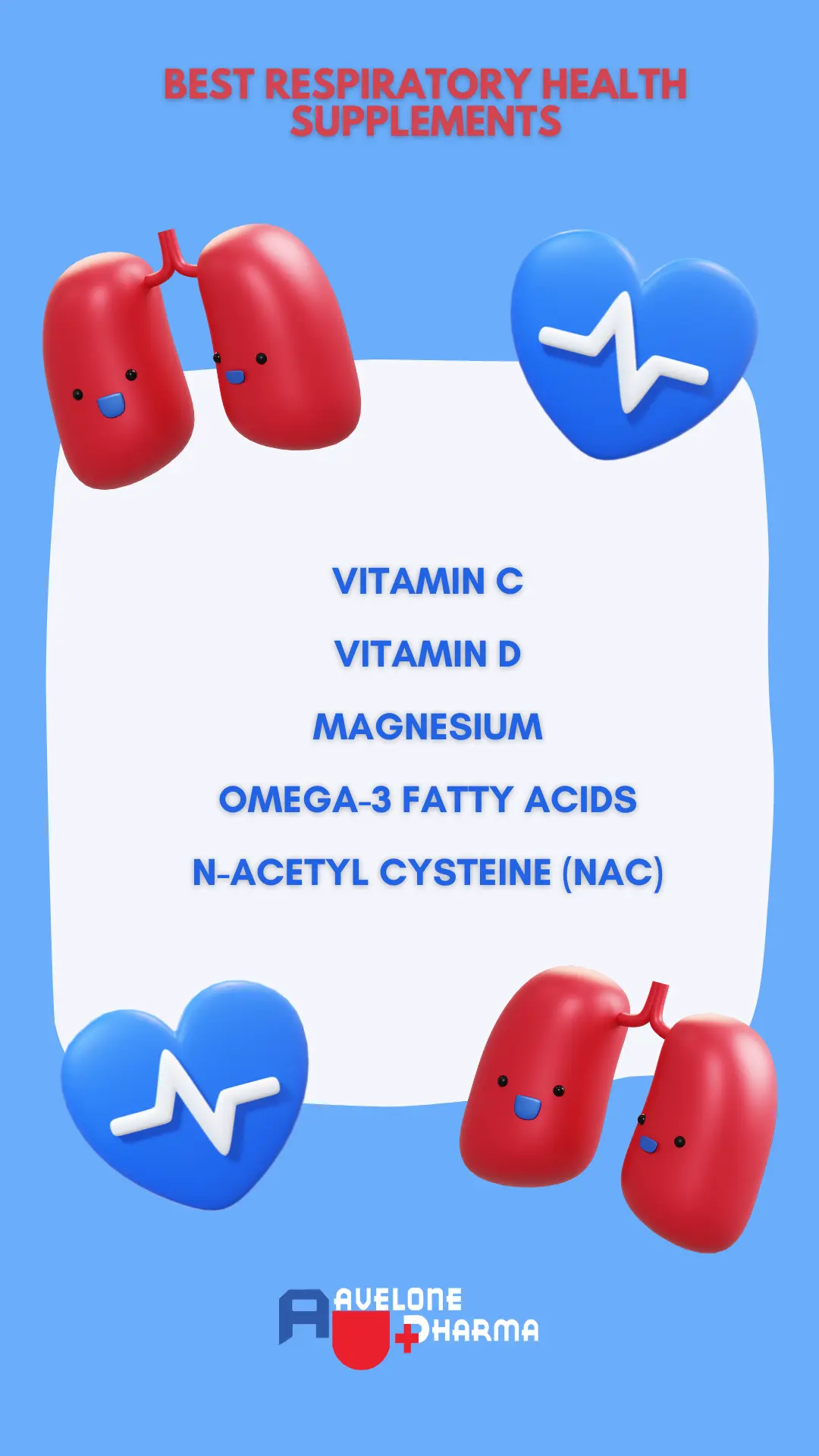
Taking care of your lungs involves more than avoiding polluted areas or quitting smoking. Incorporating specific respiratory health supplements and foods into your diet can play a significant role in supporting lung function and protecting against the harmful effects of pollution. Respiratory Health Supplements are :
- Vitamin C
- Vitamin D
- N-Acetyl Cysteine (NAC)
- Omega-3 Fatty Acids
- Magnesium
Vitamin C
Vitamin C is a powerful antioxidant that helps protect the lungs from oxidative damage caused by pollution and other environmental toxins. It supports the immune system and can reduce inflammation in the respiratory tract. According to the National Institutes of Health (NIH), regular vitamin C intake can help reduce the risk of chronic respiratory diseases.
Vitamin D
Vitamin D is known for its role in bone health, but it also plays a critical role in respiratory health. Studies have shown that adequate vitamin D levels can help reduce the risk of respiratory infections and improve lung function. The American Thoracic Society recommends vitamin D supplements for individuals with low levels to enhance respiratory health.
N-Acetyl Cysteine (NAC)
NAC is a supplement that acts as a precursor to glutathione, a powerful antioxidant that helps detoxify the lungs and reduce inflammation. It is commonly used to support lung health in individuals with chronic obstructive pulmonary disease (COPD) and other respiratory conditions. Research published in the Journal of Clinical Pharmacology has shown that NAC can improve lung function and reduce mucus buildup.
Omega-3 Fatty Acids
Omega-3 fatty acids, found in fish oil supplements, have anti-inflammatory properties that can benefit respiratory health. They help reduce inflammation in the airways and may protect against respiratory diseases. The American Lung Association suggests omega-3s can benefit individuals with asthma or other inflammatory lung conditions.
Magnesium
Magnesium relaxes the bronchial muscles and improves lung function. It can be beneficial for individuals with asthma. A study published in the European Respiratory Journal found that magnesium supplementation can improve respiratory function and reduce the severity of asthma symptoms.
Also, here you can read Respiratory Health Foods:
- Leafy Green Vegetables
- Berries
- Apples
- Garlic
- Ginger
- Turmeric
- Citrus Fruits
- Walnuts
- Beans and Lentils
- Green Tea
Leafy Green Vegetables
Leafy greens like spinach, kale, and Swiss chard are rich in antioxidants and nutrients like vitamin C and magnesium, which support lung health and reduce inflammation.
Berries
Berries such as blueberries, strawberries, and raspberries are packed with antioxidants that help protect lung tissue from oxidative damage caused by pollution and other environmental toxins.
Apples
Apples are high in quercetin, a flavonoid that reduces inflammation and protects the lungs from oxidative stress. Regular consumption of apples has been linked to improved lung function in adults and children.
Garlic
Garlic has anti-inflammatory and antioxidant properties that can help protect the lungs from damage. It also contains allicin, which has been shown to reduce the risk of respiratory infections.
Ginger
Ginger has natural anti-inflammatory properties can help relax the airways and improve breathing. It’s particularly beneficial for individuals with asthma or other respiratory conditions.
Turmeric
Turmeric contains curcumin, a potent anti-inflammatory compound that can help reduce lung inflammation and improve overall respiratory function. It can be added to meals or consumed as a supplement.
Citrus Fruits
Citrus fruits like oranges, lemons, and grapefruits are high in vitamin C, which helps boost the immune system and protect the lungs from damage caused by free radicals and pollution.
Walnuts
Walnuts are an excellent source of omega-3 fatty acids, which can help reduce inflammation in the airways and improve respiratory function.
Beans and Lentils
Beans and lentils are rich in magnesium, which supports healthy lung function and helps relax the bronchial muscles.
Green Tea
Green tea contains antioxidants like catechins, which have anti-inflammatory properties that can protect lung tissue from damage and reduce the risk of respiratory diseases.
Sources:
https://ods.od.nih.gov/factsheets/VitaminC-HealthProfessional/
How to keep your respiratory system healthy
How to Keep Your Respiratory System Healthy
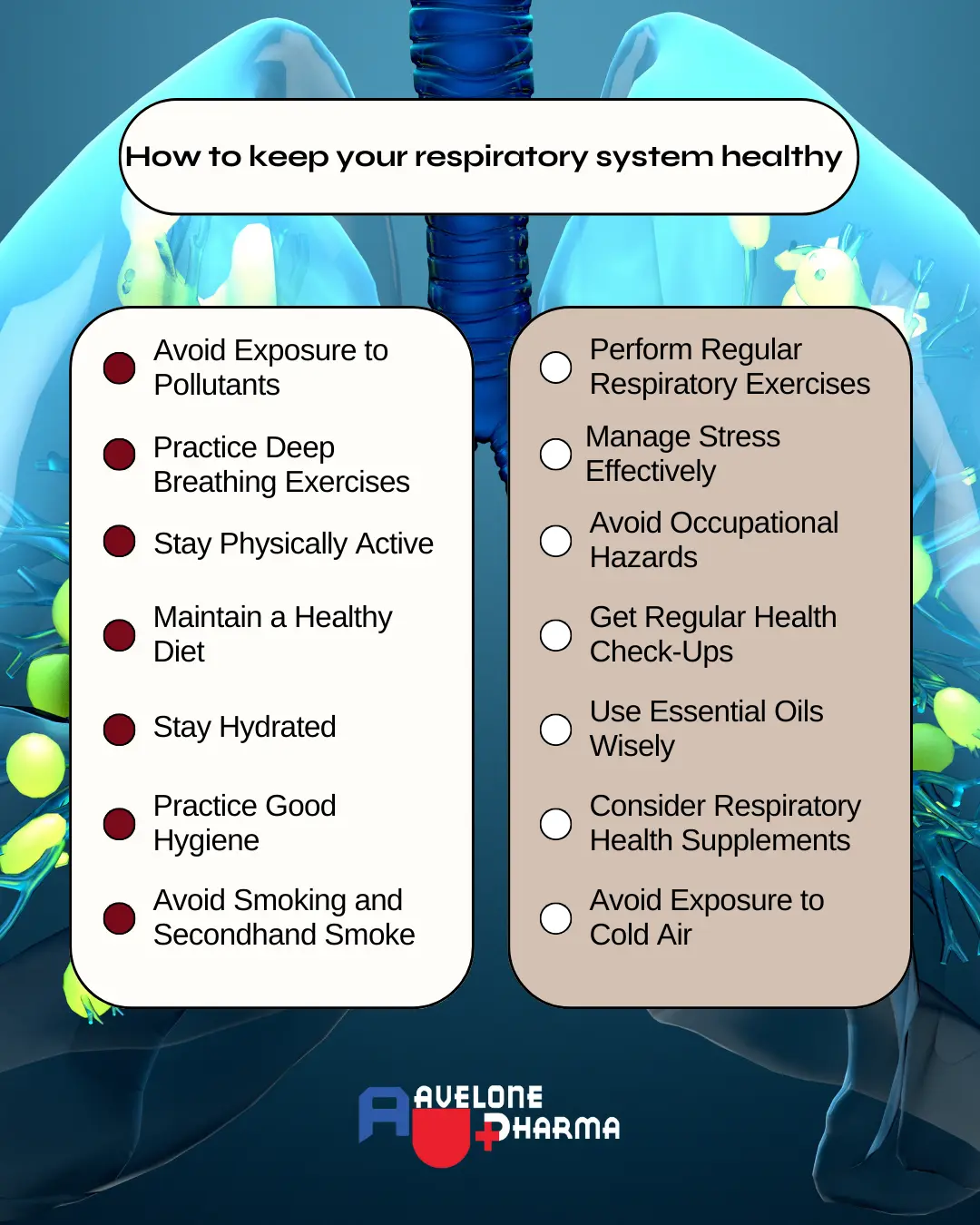
Maintaining a healthy respiratory system is essential for overall well-being and quality of life, especially in an environment where pollution levels are high and respiratory diseases are rising. Here are some effective strategies or 15 ways to take care of the respiratory system in optimal condition:
- Avoid Exposure to Pollutants
- Practice Deep Breathing Exercises
- Stay Physically Active
- Maintain a Healthy Diet
- Stay Hydrated
- Practice Good Hygiene
- Avoid Smoking and Secondhand Smoke
- Perform Regular Respiratory Exercises
- Manage Stress Effectively
- Avoid Occupational Hazards
- Get Regular Health Check-Ups
- Use Essential Oils Wisely
- Consider Respiratory Health Supplements
- Avoid Exposure to Cold Air
- Practice Good Posture
Learn more: Cancer Medications
Avoid Exposure to Pollutants
Minimize exposure to harmful air pollutants like smoke, chemicals, and dust. Avoid smoking and secondhand smoke, and try to stay indoors on days when air quality is poor. Consider using an air purifier in your home to reduce indoor pollutants.
Practice Deep Breathing Exercises
Deep breathing exercises can help improve lung capacity and strengthen respiratory muscles. Techniques such as diaphragmatic breathing and pursed-lip breathing can enhance oxygen exchange and promote relaxation. Regular practice of these exercises can support overall lung function and respiratory health.
Stay Physically Active
Regular physical activity helps keep your lungs healthy by improving cardiovascular fitness and increasing lung capacity. Aerobic exercises like walking, running, swimming, and cycling are particularly beneficial for respiratory health. Aim for at least 30 minutes of moderate exercise most days of the week.
Maintain a Healthy Diet
A diet rich in antioxidants, vitamins, and minerals supports lung health. Include plenty of fruits, vegetables, whole grains, and lean proteins. Foods like leafy greens, berries, and nuts provide essential nutrients that help reduce inflammation and protect lung tissue.
Stay Hydrated
Drinking plenty of water helps thin the mucus in the respiratory system, making it easier to expel and keeping the airways clear. Aim for at least eight glasses of water daily to maintain proper hydration and support respiratory health.
Practice Good Hygiene
Practice good hygiene to prevent respiratory infections. Wash your hands regularly, avoid touching your face, and cover your mouth and nose when coughing or sneezing. To reduce risk, vaccinate against common respiratory infections, such as the flu and pneumonia.
Avoid Smoking and Secondhand Smoke
Smoking is the leading cause of respiratory diseases such as chronic obstructive pulmonary disease (COPD) and lung cancer. If you smoke, seek support to quit, and avoid environments where you may be exposed to secondhand smoke.
Perform Regular Respiratory Exercises
Specific exercises, such as blowing into a balloon or using a spirometer, can help maintain lung capacity and strength. These exercises benefit individuals with respiratory conditions such as asthma or COPD.
Manage Stress Effectively
Chronic stress can negatively impact respiratory health by increasing breathing rate and tension in the chest. To support both mental and respiratory health, practice stress-reducing techniques such as meditation, yoga, or deep breathing.
Avoid Occupational Hazards
If you work in an environment exposed to harmful fumes, dust, or chemicals, use protective equipment such as masks and ventilation systems. Regular health check-ups and respiratory assessments can help detect and address issues early.
Get Regular Health Check-Ups
Routine health check-ups can help monitor your lung health and detect potential issues early. If you experience persistent cough, shortness of breath, or chest pain, seek medical advice promptly.
Use Essential Oils Wisely
Essential oils like eucalyptus and peppermint may help clear nasal passages and support respiratory function. However, use them cautiously, as they may not be suitable for everyone, particularly those with asthma or other respiratory conditions. Always consult a healthcare professional before using essential oils.
Consider Respiratory Health Supplements
Supplements like vitamin C, D, and N-acetyl cysteine (NAC) can support respiratory health by boosting the immune system and reducing inflammation. Consult a healthcare professional before starting any new supplement regimen.
Avoid Exposure to Cold Air
Cold air can irritate the respiratory system, especially for individuals with asthma or other respiratory conditions. To protect your lungs, wear a scarf or mask to cover your nose and mouth during cold weather.
Practice Good Posture
Maintaining good posture helps open the airways and allows for better lung expansion. To support healthy posture, practice sitting and standing upright and engage in exercises that strengthen your core and back muscles.
Sources:
Centers for Disease Control and Prevention (CDC). “Respiratory Hygiene and Cough Etiquette.” Available at: CDC
AavelonePharma’s Superior Quality for Respiratory Health
Quality and purity are paramount when choosing the right supplements for respiratory health. AavelonePharma’s vitamins and supplements stand out as the best in the market due to their high purity and authenticity. Adhering to strict GMP (Good Manufacturing Practice) and USP (United States Pharmacopeia) standards, AavelonePharma ensures that every product meets the highest quality benchmarks. This commitment to excellence has made their supplements a trusted choice for people looking to support their lung health and overall well-being. Whether you’re seeking immune-boosting vitamin C or other supplements, AavelonePharma offers the most reliable options to help protect your respiratory system from the harmful effects of pollution.

Conclusion
Protecting your respiratory health is essential, especially in an age where pollution and environmental factors pose significant risks to lung function. You can strengthen your respiratory system and reduce the impact of harmful pollutants by incorporating a combination of healthy lifestyle habits, such as regular exercise, a balanced diet rich in antioxidants, and high-quality supplements. Additionally, being mindful of environmental exposure and adopting preventative measures can go a long way in safeguarding your lung health.
Brands like AavelonePharma offer top-tier vitamins and supplements that adhere to the highest standards of purity and quality. These products effectively support the respiratory system. By making informed choices about your health, you can enhance your lung protection and overall well-being.
As we continue to face air quality and respiratory health challenges, staying proactive and informed will empower you to make the best decisions for your lungs. Remember, your respiratory health is a vital part of your overall quality of life—take the necessary steps today to protect and nurture it.
Learn more” The Impact of Stress on Heart Health and Ways to Reduce It
Frequently Asked Questions (FAQs)
1. What are some effective supplements for respiratory health?
Effective respiratory health supplements include vitamin C, D, N-acetyl Cysteine (NAC), and omega-3 fatty acids. These supplements help reduce inflammation, boost the immune system, and protect lung tissue from damage caused by pollutants.
2. How can I protect my lungs from pollution to improve respiratory health?
To protect your lungs from pollution and enhance respiratory health, avoid pollutant exposure, stay hydrated, eat a diet rich in antioxidants, and use high-quality respiratory health supplements. Regular exercise and good hygiene also play crucial roles in maintaining lung health.
3. Why are AavelonePharma’s supplements recommended for respiratory health?
AavelonePharma’s supplements are recommended for respiratory health due to their high purity, adherence to GMP and USP standards, and proven effectiveness. People who seek the best quality vitamins and supplements to support their lung health and overall well-being trust AavelonePharma’s products.